Pocket Pets & Small Mammal Care

Accepting New Patients
Insurance Accepted
Same Day Appointments

Pocket Pets & Small Mammals

Pocket pets and other small mammals have very specific environmental and nutritional needs. Because many of their illnesses do not immediately show outward signs (such as decreased appetite or changes in chewing), routine exams are essential to catching health issues early.

What to expect

During a Small Mammal Wellness Exam

Your furry companion’s wellness visit includes a comprehensive whisker to tail physical assessment and discussion about their lifestyle. Our goal is to keep your pet feeling their best and prevent future health issues.

A typical exam may include:

  • Annual wellness checks and dental exams.
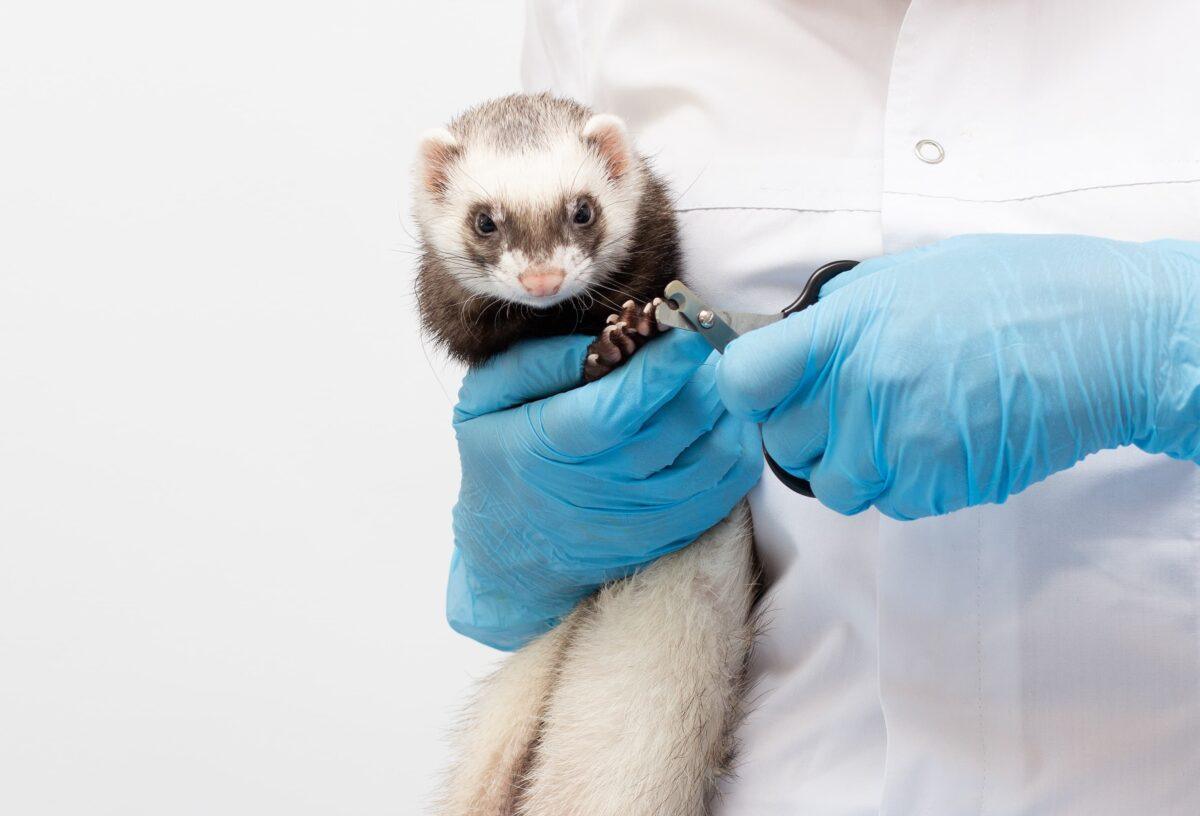
  • Nail trimming and weight monitoring.
  • Environmental and nutritional guidance.
  • Parasite prevention, for specific species.
  • Testing for infectious diseases, for specific species.

We also welcome any questions you have about your pet’s behavior or overall well-being.

Caring for Your Pocket Pet & Small Mammal

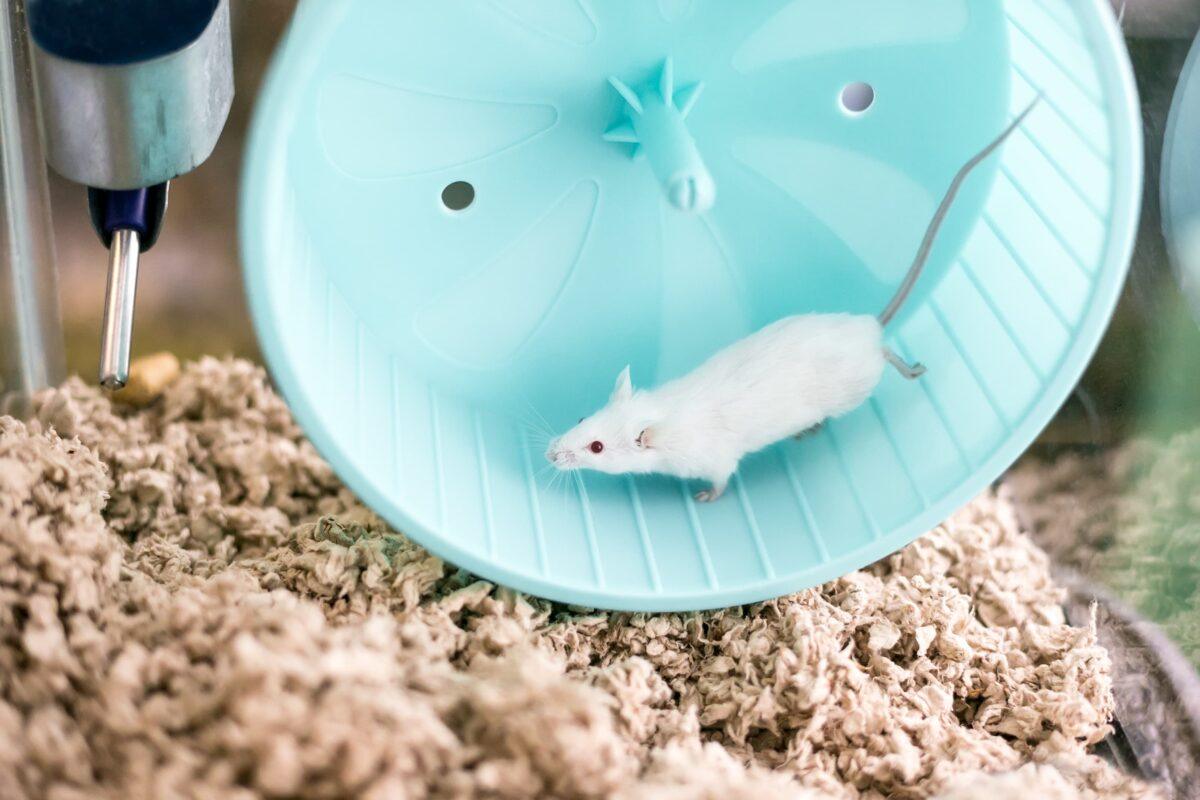
Small mammals—including pocket pets like guinea pigs, hamsters, rats, mice, and sugar gliders—require specialized care to stay healthy. Though small in size, these pets have unique medical and husbandry needs that benefit from regular veterinary attention.

Environment Matters

Setting Small Mammals Up for Success

Knowing the correct enclosure setup for your whiskered friend plays an important role in their safety and overall health. A pet can become stressed, injured, or ill when housed in an improper enclosure or cage setup that does not work for their specific species. In addition, insufficient lighting or heat, incorrect substrate materials, limited enrichment or chewing opportunities, and infrequent sanitation can all negatively impact your small mammal.

During your pet’s exam, our team will review how their environment can affect their respiratory health, immune system, and behavior.

POCKET PET & SMALL MAMMAL WELLNESS

Teeth & Claw Care

Small mammal teeth can easily become overgrown, fractured, or even grow abnormally due to improper nutrition or not enough access to chewing toys. Without healthy teeth, a pet could struggle to eat or groom—leading to additional health issues that will then also have to be addressed. Specific mammals also need their nail and claw lengths managed to prevent overgrowth which can cause nails to get caught on cages or cause discomfort or joint strain. 

Regular veterinary exams for your small mammal can allow early detection of dental discomfort and prevent teeth and nail overgrowth before they cause discomfort or interfere with their overall health.

Types of Pocket Pets & Small Mammals We Treat

Small mammals vary in size, behavior, and care requirements. Our veterinary team is experienced in treating the following species and providing care based on species-specific health and environmental needs.

Ferrets

Ferrets are prone to adrenal disease, insulinomas, and respiratory infections. Their needed care includes:

  • Annual exams with bloodwork in older ferrets.
  • Regular dental care and parasite prevention is needed for ferrets, with older ferrets often needing bloodwork.
  • Spaying/neutering for hormone-related issues.

Vaccinations that ferrets may need are:

  • Canine Distemper Vaccination – Protects against a highly contagious, viral disease in ferrets. Because there is no effective treatment once infected, routine vaccination is critical for protection.
  • Rabies Vaccination – Protects against a fatal neurologic disease that can be transmitted to humans and other animals through bites.

Please contact our hospital in advance to make sure we can accommodate your ferret’s needed vaccinations.

Guinea Pigs

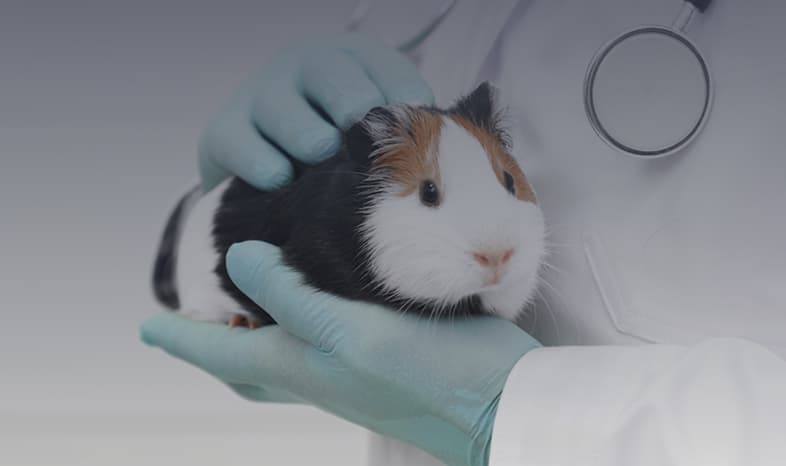
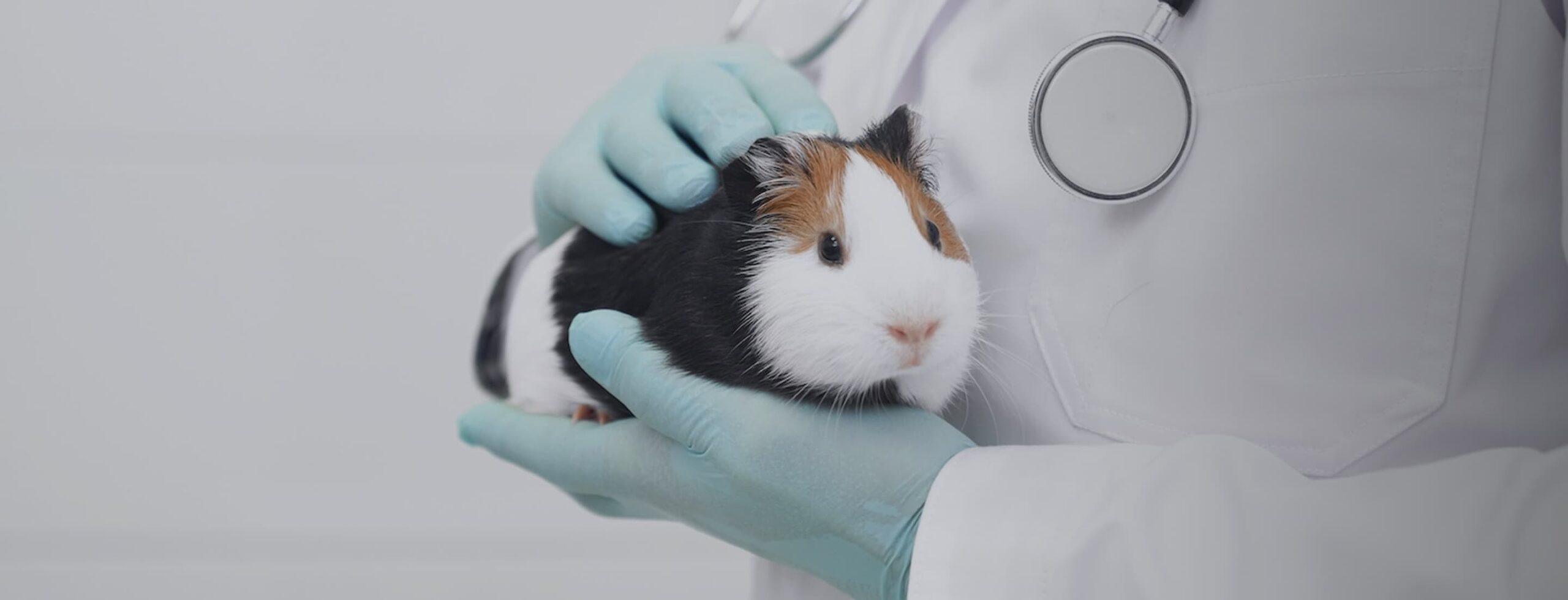
Considered highly social rodents, it is recommended that guinea pigs live with other guinea pigs to support their mental well-being. Unlike most mammals, they cannot produce their own vitamin C. To prevent deficiency, they must receive it daily through their food or supplements. Guinea pigs are also prone to gastrointestinal stasis, bladder stones, respiratory infections, and dental issues. Their teeth are constantly growing, so they are more prone to dental disease if they do not have proper hay intake. 

Because Guinea pigs are prone to these risks, veterinary care focuses heavily on dental monitoring, nutrition counseling (unlimited hay and vitamin C supplementation), and early detection of urinary or respiratory issues.

Hamsters

To prevent fighting and stress, most hamsters typically prefer to live alone. They can be quite the escape artists, so a secure, well-ventilated enclosure is essential. At the same time, providing appropriate bedding (for burrowing) and a balanced diet that supports their continuously growing teeth is just as important, as they require proper nutrition and natural chewing to stay healthy.

One of the most fatal conditions seen in hamsters is “wet tail,” a life-threatening gastrointestinal disease. Veterinary care for hamsters focuses on early intervention for digestive illness, dental monitoring, and parasite treatment when needed.

Rabbits

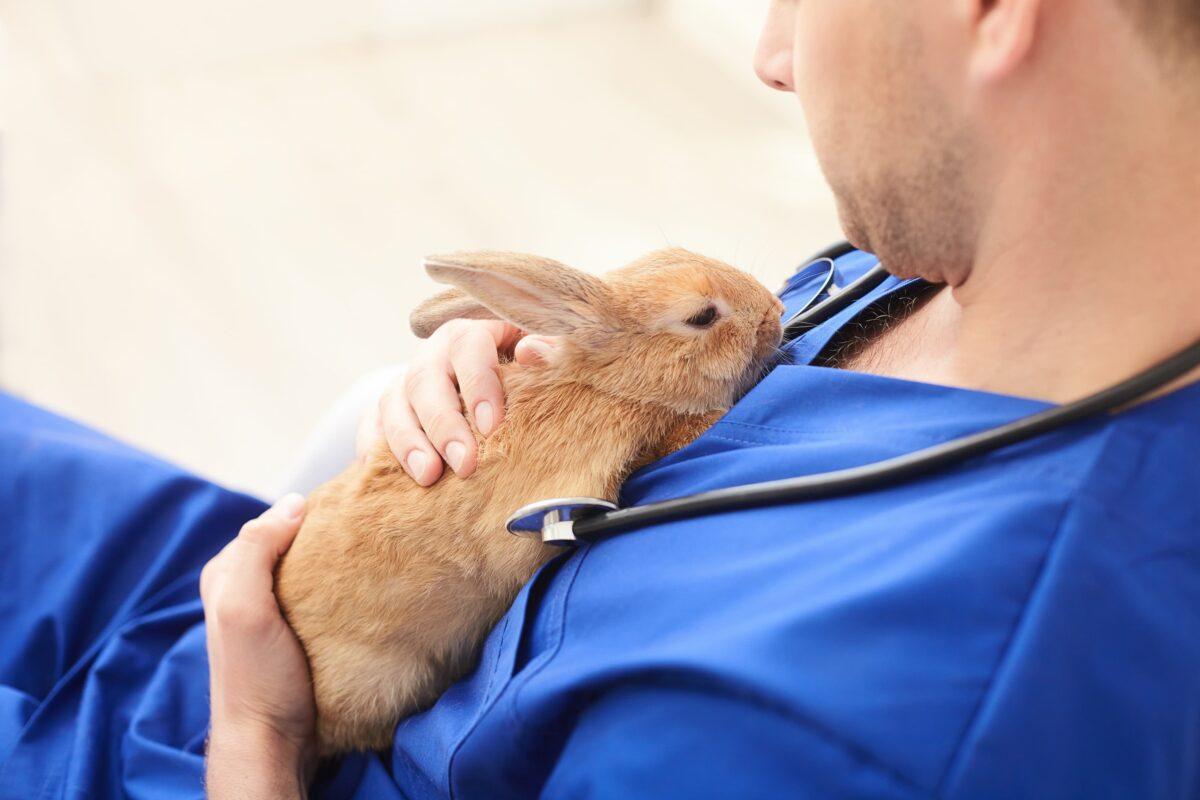
Rabbits have sensitive digestive and dental needs—so a high-fiber, hay-based diet that supports their continuously growing teeth and an environment that supports natural chewing are important for their overall health. Rabbits are also prone to uterine cancer (in females) and gastrointestinal stasis (when food stops moving through their GI tract), which can be a life-threatening condition if not treated quickly.

Routine veterinary care for rabbits focuses on dental health, nutrition, weight monitoring, and rapid response to appetite or behavior changes.
Choose Us

Your Partner in Lifelong Small Mammal Wellness

Choosing our hospital means choosing a team that treats your pocket pet or small mammal like family. We’re here to support your pet’s health at every stage of life—whether it’s their first checkup or a visit during their senior years. Let’s work together to ensure your furry companion lives a healthy life.

We Offer Flexible Payment Options

We believe every pet deserves top-notch care—and that cost shouldn’t stand in the way. That’s why we offer flexible payment options to help you plan and pay for your pet’s care with confidence. Click the button below to learn more about how we handle payments and pet insurance at our hospital.

Connect with Us

Veterinary Care, Your Way

Our goal is to make veterinary care convenient and accessible for all pet owners in Cameron and Surrounding Communities. Choose the contact method that works best for you.

910-495-7387

Call or Text Us

During our operating hours, call or text our hospital number and our team will be happy to assist you.

Schedule Visit

Book Online

Schedule your pet’s appointment any time through our website’s appointment scheduler.

Get the App

Download Our App

Our app helps you stay on top of your pet’s care without missing a beat.

Call Us

Walk-in Visits

Walk-ins are welcome upon availability! To help avoid wait times, we recommend calling ahead when possible.